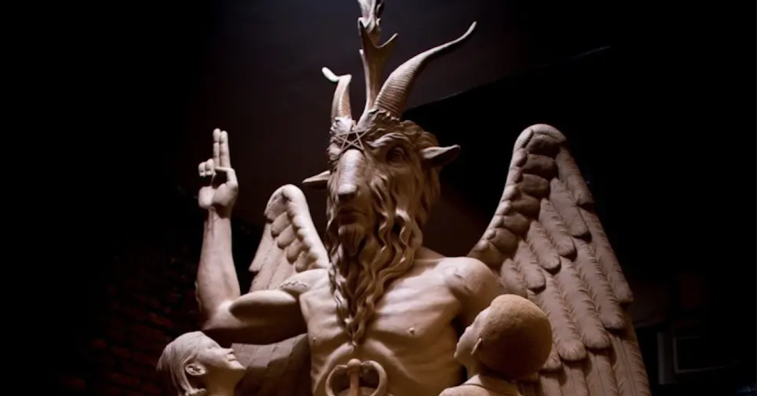
The Ottumwa council invocation began like a routine opening prayer but ended with two words that jolted the room: “Hail Satan.” Within moments, a pastor was at the microphone demanding that the council undo what he called a curse.
The scene unfolded October 6, when former councilman Matt Dalbey opened the meeting with an invocation addressed to “Dark Father.” The official meeting video captures what happened next. The local report says the city was soon inundated with calls as the moment drew national attention.
After the Pledge of Allegiance and roll call, New Life Center pastor Rick Bick stepped to the podium. “Let’s just reverse that curse that was put on our city,” he said, adding that the invocation was “not welcome here.” The prayer had ended. The argument over what the council should do about it was just beginning.
Councilwoman Cara Galloway immediately raised a different concern: procedure. She said Bick was speaking out of turn and should wait for the public-comment portion of the agenda. In a meeting normally built around a set order, the question became as pressing as the prayer itself: should the council respond in the moment, or move on and let residents speak later?
Mayor Ben Foote chose a pause. Over Galloway’s objection, he called for 30 seconds of silence. The meeting’s opening had now turned into a public clash over faith, free expression and the rules that govern who gets to speak—and when. The silence did not settle what the city stood for. It left the council between two competing demands: protect open access to the microphone and keep the meeting moving under its agenda. The mayor’s choice became part of the story.
The policy behind the invocation had been adopted in January on a 4–1 vote, with Galloway the lone dissenter. It allows any Ottumwa resident to request an opening invocation by contacting the mayor. Speakers are scheduled first come, first served, and each person may give one up to three times per fiscal year, according to local reporting.
That open-door rule is exactly what made the moment so combustible. City Administrator Phil Rath said the policy is open to “anybody and everybody” and that the city cannot discriminate based on a person’s beliefs. He also acknowledged the difficulty: free speech includes words some residents may strongly oppose. A policy designed to treat beliefs equally can still produce a moment that divides a community. By the following days, the dispute had traveled far beyond the council chamber, bringing calls to City Hall and national attention to a small Iowa city. What began as a few minutes on an agenda had become a test of how public officials respond when speech is legal, deeply unpopular and impossible to ignore.
Dalbey was the first person to give an invocation under the policy, local media reported, and he is scheduled to speak again at the November 3 meeting. That next date gives the controversy a clear sequel: Will the city keep the same rules, clarify how the process works, or face renewed objections when the microphone opens again?
The dispute is not only about one prayer. It is about whether a public meeting can welcome residents with sharply different beliefs while applying the same rules to each of them. Bick wanted the council to reject the invocation; Galloway wanted the meeting to follow its agenda; Foote chose a moment of silence. Each response pushed the room in a different direction.
Ottumwa’s policy now faces its first real public test. Should the council keep the invitation open to every resident, or change the rules after this week’s confrontation?