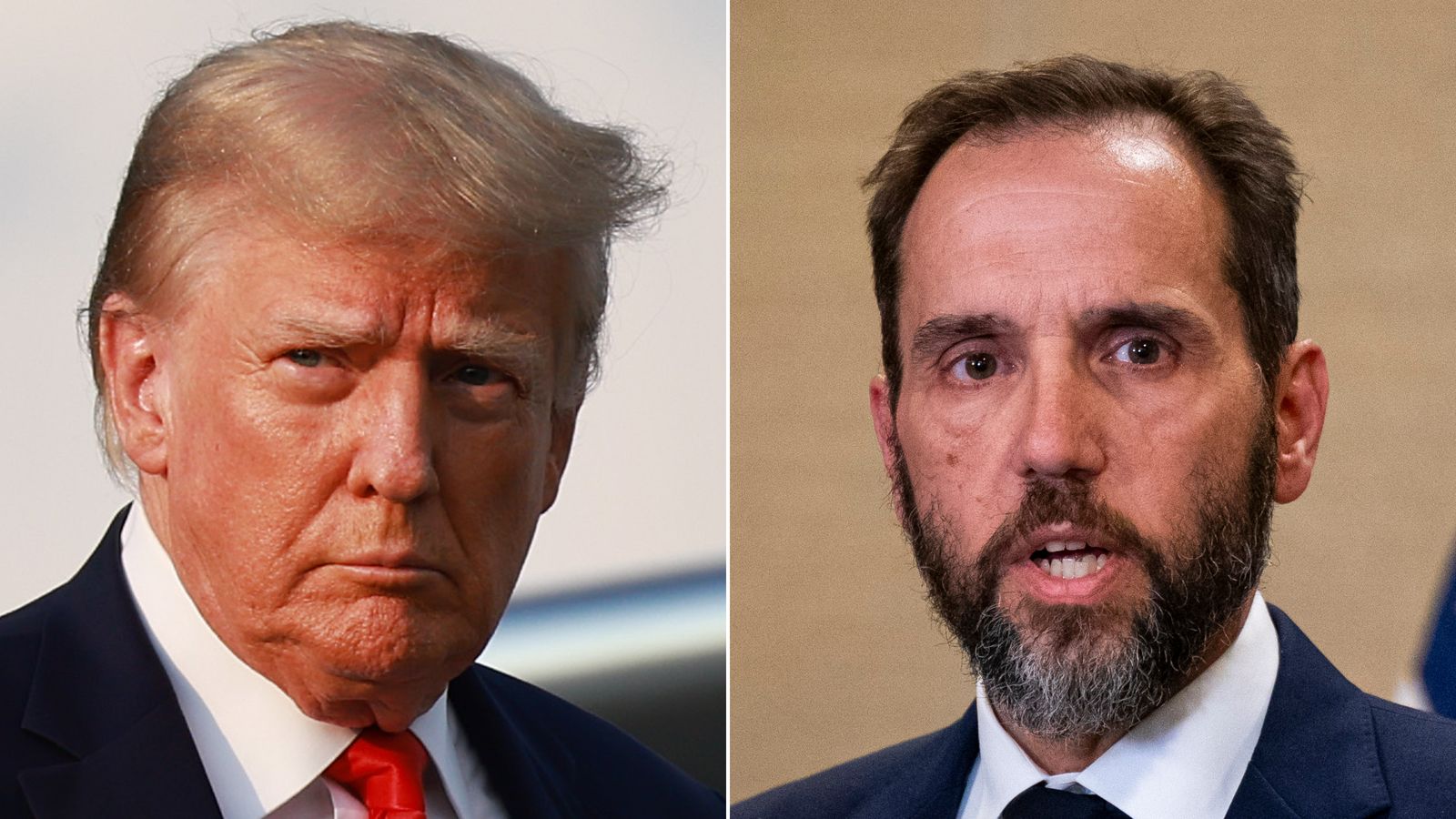
A major Trump-era legal fight has just taken a sharp new turn. The Jack Smith referral from House Judiciary Chairman Jim Jordan asks the Justice Department to consider criminal prosecution of the former special counsel, reopening a bitter dispute over the Trump investigation.
Jordan sent the referral to Acting Attorney General Todd Blanche on July 22. He accuses Smith of knowingly making false statements during a closed-door deposition on December 17, 2025. The allegation centers on one question with major consequences: did Smith’s testimony leave lawmakers with a misleading impression about what records his team had seen?
Smith testified about subpoenas for lawmakers’ phone “toll records”—data such as phone numbers, dates, times and call duration, but not the content of calls or messages. He said those records did not include the contents of text messages. That answer is now at the center of Jordan’s case for a criminal referral.
Then came a separate set of records. Documents released by the Senate Judiciary Committee showed that Smith’s team also received text messages from the National Archives, involving communications between Trump-era White House staff and 44 members of Congress. Those messages came through a different request from the toll-record subpoenas discussed in Smith’s deposition, according to the Associated Press report. The separate Archives request covered messages from Trump-era White House phones during the months around the 2020 election and the January 6 attack.
Jordan argues the distinction does not settle the issue. He says Smith’s answers gave the impression that his team had no access to lawmakers’ text-message content. “We now know this to be false,” Jordan wrote in his referral to DOJ. The committee’s allegation is that Smith should have volunteered information about the separate archive request. Jordan argues the omitted detail mattered to the committee’s oversight. Smith’s lawyers say the surrounding questions clarify the answer. The central dispute is not simply whether messages existed, but whether Smith’s testimony was misleading in context.
Smith’s lawyers strongly rejected that claim. They called the referral “spurious” and said Smith was answering questions specifically about toll records—not the separate National Archives request. Their argument: his answers were truthful, and lawmakers cannot turn an answer into a crime because a witness did not volunteer information they never asked for. CBS News reported that the lawyers also said the messages were disclosed to Trump’s defense team during the case.
The fight now reaches beyond what Smith said. Republicans argue the text messages may have included communications protected by the Constitution’s Speech or Debate Clause and say investigators bypassed a filter team meant to screen sensitive material. Smith’s lawyers dispute that the review violated legal safeguards, saying the clause does not automatically bar prosecutors from reviewing communications between lawmakers and executive-branch officials. The Senate committee’s release presents the Republicans’ concerns; the legal conclusion remains contested.
Democrats, including Judiciary Committee ranking member Jamie Raskin, called the move baseless and retaliatory. The Justice Department confirmed that it received Jordan’s referral and said it would investigate evidence of criminal conduct. But a congressional referral does not force prosecutors to file charges—and it does not prove that a crime occurred. DOJ can assess the testimony alongside the requests and records before deciding whether any further action is warranted. The referral is a request for review, not a verdict.
Now the decision rests with DOJ: will prosecutors treat the referral as a serious case for further investigation, or conclude that Smith answered the questions he was actually asked? The deposition transcript and the separate records are central to that decision.
The episode adds another flashpoint to the fight over investigations of Trump and his allies. Read our coverage of the DOJ Watergate review debate and the Democratic impeachment debate for more on the oversight battles reshaping Washington.
So what do you think: is Jordan’s referral legitimate oversight—or a political escalation?