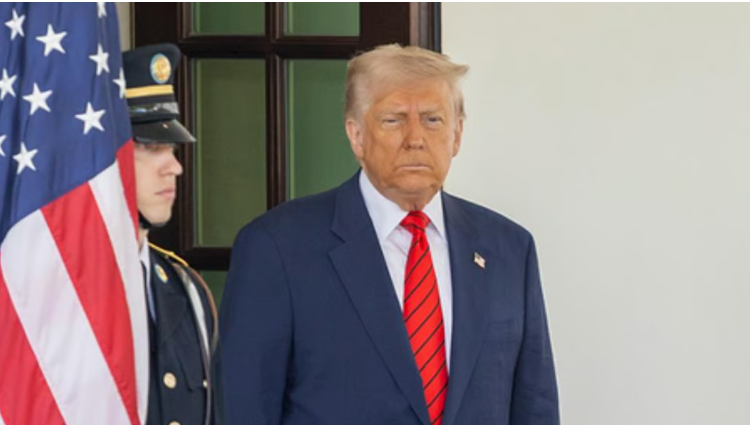
Midterm elections on November 3 will determine control of Congress and test President Donald Trump’s influence over Republican candidates. The vote comes as Americans consider rising living costs, the war with Iran and Trump’s proposed $5,000 payment to adult citizens.
Trump announced the payment proposal during a Republican convention in Dallas on September 9. But the pledge is not an approved federal benefit. It would require congressional authorization, making its future uncertain regardless of the election results.
What Is at Stake in the 2026 US Midterm Elections?
Voters will elect all 435 members of the House of Representatives and roughly one-third of the Senate. Republicans currently control both chambers, giving them an important role in advancing the administration’s legislative priorities.
If congressional control changes, Trump could face greater obstacles when pursuing legislation involving taxes, spending and immigration. A change in the House majority could also affect committee leadership, investigations and oversight of executive agencies.
Trump himself is not running in November. The election concerns congressional representation, although the president has made his administration’s record a major part of the Republican campaign.
Trump’s $5,000 Dividend Proposal Raises Questions
At the September 9 Republican National Committee convention in Dallas, Trump promised a $5,000 payment to American adults if Republicans retained control of Congress. He presented the proposal as a financial benefit tied to continued Republican leadership.
However, the administration has not established an approved program to distribute these checks. Reuters reported that the proposal would cost approximately $1.2 trillion and had gained little support in Congress as of October 7. Readers can examine the distinction between proposed and existing benefits in Reuters’ reporting on federal payments before the midterms.
Separate government payments have already reached certain Medicare and health insurance recipients, but eligibility is limited. These programs should not be confused with the proposed universal dividend. Questions about responsible spending also connect with broader discussions of federal oversight, including coverage of the Trump Treasury fraud crackdown.
Iran War and Cost of Living Influence Voter Concerns
The continuing conflict with Iran has become an important campaign issue. Higher energy prices and uncertainty surrounding the war have increased attention on the administration’s foreign policy and its economic consequences.
Trump has defended military action against Iran as necessary to address security threats. Critics have questioned the conflict’s duration, costs and broader consequences for American households.
A Reuters/Ipsos survey released October 8 found that 48% of respondents who voted for Kamala Harris in 2024 were very enthusiastic about voting in November, compared with 30% of Trump voters. The nationwide online survey included 4,506 adults. Those figures measure reported enthusiasm, not actual turnout or election results.
Reuters also reviewed 62 competitive congressional races and found that Republican candidates in 41 had publicly differed with Trump on policies or reduced their visible association with him. The findings illustrate how candidates are responding to different local political conditions.
Mail-In Voting and Government Advertising Draw Attention
Election administration is another major issue. On September 14, the Supreme Court declined to allow the Postal Service to enforce a rule affecting mail-in ballots, a setback for the administration’s effort to tighten mail voting requirements.
The Postal Service subsequently announced additional steps to handle election mail, including extended services, special ballot processing and additional collection measures. Voters should consult their state election offices for applicable deadlines and requirements.
Government-funded advertising has also generated political disagreement. The administration defended television advertisements featuring Trump as government messaging, while critics questioned their funding and purpose. The controversy is detailed in coverage of Trump’s taxpayer-funded TV ads and Republican criticism.
Other debates about executive accountability have appeared alongside the election campaign, including a separate Justice Department review related to Watergate-era prosecutorial conduct. That review is not part of the congressional election itself.
Do the Midterms Affect Trump’s Presidency or a Third Term?
The congressional elections do not determine whether Trump remains president. His current presidential term is separate from the House and Senate contests.
Questions about another presidential term have circulated following public comments by former Trump adviser Steve Bannon. However, the 22nd Amendment to the US Constitution prohibits anyone from being elected president more than twice.
Separate constitutional discussions have involved California Governor Gavin Newsom and calls concerning the 25th Amendment. Coverage of the Gavin Newsom and Trump 25th Amendment dispute addresses a different constitutional issue involving presidential inability, rather than congressional elections or presidential term limits.
What Happens Next Before November 3?
Republican and Democratic candidates will continue campaigning in competitive districts and states as Election Day approaches. Voter turnout, local issues, campaign spending and public reactions to national developments will remain important areas to follow.
The results will determine the next balance of power in Congress. Until votes are counted, polling and campaign statements remain indicators of public sentiment rather than final electoral outcomes.
My family and extended family want the majority in Congress to be Republicans not Democrats. Our country needs wise and strong leadership. Thank you
Pearla