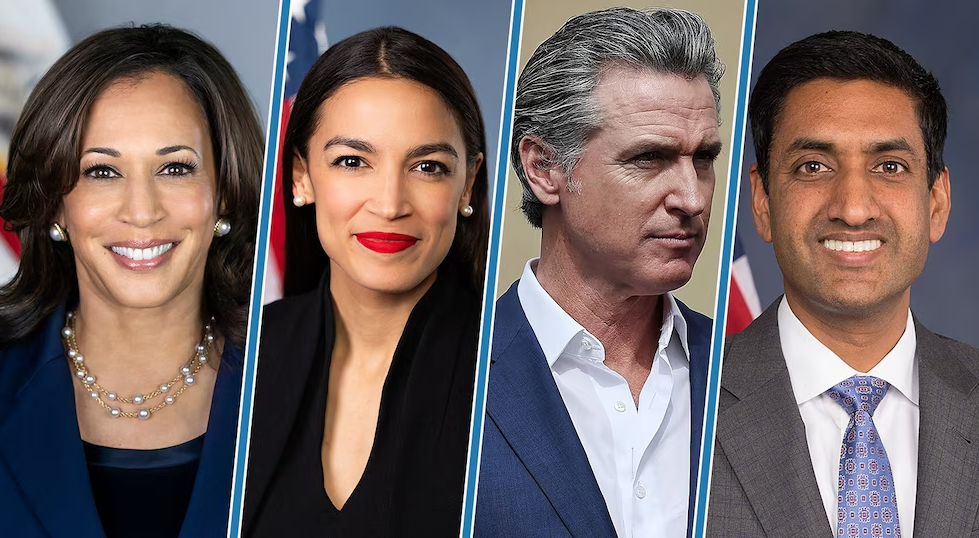
2028 presidential hopefuls are already using the midterm campaign to build relationships and test their messages. Several politicians who may seek the presidency in 2028 are using this year’s midterm campaign to introduce themselves to voters outside their home states. It is not a formal race yet, but their travel, endorsements and speeches are already giving rivals material to study.
The early activity cuts across both parties. California Gov. Gavin Newsom has been campaigning in Southern states, while Vice President JD Vance remains an important figure for Republicans. Democratic governors Josh Shapiro and Andy Beshear and Texas Sen. Ted Cruz are also part of the conversation about what comes next.
Why 2028 candidates show up before the midterms
Midterm campaigns create an audience without requiring a candidate to announce a presidential bid. A governor can help a party’s candidates, discuss national issues and build relationships with activists, all while saying the trip is about the election in front of voters.
That gives potential candidates a low-risk way to test a message. They can see which themes draw attention, which groups respond and whether their style works beyond their home state. A successful event does not guarantee a future nomination, but it can help build a network that matters later.
Newsom’s travel has put him in places where Democrats hope to expand their reach. His appearances also invite questions about whether a coastal governor can connect with voters who have different economic and cultural priorities. Those questions will not be answered by one rally; they require sustained organizing and local conversations.
Republicans have their own succession questions
Vance is positioned differently because he serves in the current administration and has a national platform already. His public role gives him visibility, but it also means voters may judge him on the administration’s record as much as on his own campaign style.
Other Republican figures are keeping their own networks active. Cruz has national name recognition and a large state platform, while other governors can point to their management records. The party’s eventual choice will depend on more than a single midterm cycle or one public endorsement.
The election may reshape the field
Midterm results can affect the political environment that future candidates inherit. If a party performs well, its leaders may claim their message is working. If it loses ground, potential candidates may argue for a different direction. Neither interpretation is automatic, and one election rarely settles every internal debate.
Fundraising, media attention and relationships with state parties also matter. A candidate who helps others campaign may gain goodwill, but they may also face criticism if the effort fails. Local candidates can welcome high-profile visitors while still needing to keep their own races focused on district concerns.
What voters can reasonably conclude
For now, the activity is positioning, not a presidential contest. Voters should keep that distinction in mind when a familiar name appears in a headline. Political visibility can be useful preparation, but it does not show whether a person will run or how primary voters might respond. The national mood may also change before the next presidential cycle begins. No midterm rally can establish who will run, who will win early primaries or what the national mood will be two years from now.
Watch whether these politicians keep returning to the same states, build durable relationships and offer specific policy ideas beyond familiar slogans. Those are stronger signs of preparation than a headline-grabbing visit.
For context on the administration and party debate, see our coverage of Newsom’s criticism of Trump. For a related national campaign story, read this report on Trump and technology executives.
Another factor is the calendar. Campaigns have a limited window to build name recognition, recruit volunteers and introduce policy ideas after a midterm cycle. A strong appearance can help, but lasting support usually takes repeated engagement with communities and clear answers about what a candidate would do in office.