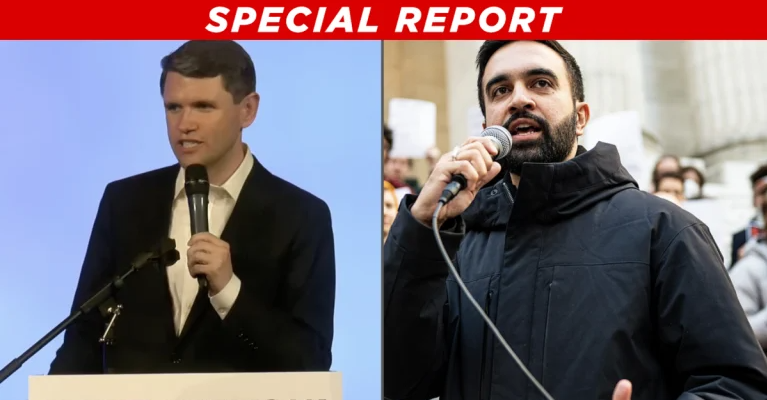
Could a New York City mayor’s campaign offer a playbook for Texas? That question is back in the spotlight after James Talarico’s comments about Zohran Mamdani resurfaced in the Texas Senate race. The key distinction: praising a campaign strategy does not automatically mean endorsing every policy behind it.
What did Talarico say about Mamdani?
The remarks trace to an August 2025 episode of the Higher Learning podcast. According to The Post Millennial’s account, Talarico described Mamdani’s campaign as a template and urged Democrats to pay attention to its messaging. The article that renewed attention to the comments argues the comparison raises questions for Texas voters.
A campaign template and a governing platform are not necessarily the same thing. The available reporting establishes Talarico’s praise for Mamdani’s political approach; it does not, by itself, show that Talarico has proposed New York City’s rent, transit or grocery-store policies for Texas. Voters looking for a policy comparison should examine Talarico’s own current proposals and statements.
Why the Texas race gives the comments new weight
Texas is a high-profile Senate battleground, and both parties are testing which messages travel beyond their usual supporters. Democrats see an opportunity to compete statewide. Republicans are using comparisons with New York politics to question the direction of the Democratic campaign. Those are competing political arguments, not a settled account of what a Texas senator would do in office.
Our earlier coverage of the Texas rally and protesters shows how quickly a campaign appearance can become a larger national argument. The Democratic voter engagement poll adds context on enthusiasm heading into the midterms.
Messaging versus policy
Mamdani’s rise has become a reference point for Democrats debating affordability, coalition-building and direct communication with voters. Critics are also scrutinizing his relationship with President Trump, as reflected in this report on Trump’s warning to Mayor Mamdani. None of those debates substitutes for a side-by-side review of Texas campaign plans.
Political advertising and spending will shape how those plans reach voters. Read our reporting on the Trump ads lawsuit and the separate 2026 midterm campaign pledge for related election context.
What voters should check next
The distinction matters because the offices are different. A New York City mayor can propose changes to municipal services and negotiate with a city council. A U.S. senator from Texas would vote on federal legislation, confirm nominees and conduct oversight. Even a shared campaign slogan would not give the two officials the same powers or the same electorate.
The best test is specific: Does Talarico endorse a federal proposal resembling any of Mamdani’s city-level plans, or is he pointing to the way Mamdani built attention around affordability? Those are different claims. So far, the cited podcast coverage supports a discussion about political messaging and coalition strategy. It should not be stretched into a detailed Texas policy pledge without a direct statement or campaign document.
The argument also illustrates how national figures can become shorthand in a state race. Opponents can draw an ideological comparison, while supporters may see a lesson in reaching new voters. Both interpretations deserve to be identified as political interpretations. Reporting on the race should keep the original interview, the candidate’s current platform and subsequent campaign statements separate.
As the campaign continues, debates, written policy plans and direct answers from the candidates will offer stronger evidence than a clip from an older conversation. Readers should revisit those materials before drawing conclusions about how either party would govern.
For now, the verifiable news is the renewed attention to Talarico’s earlier remarks. The unresolved question is how he defines his own Texas agenda as voters compare candidates before Election Day.