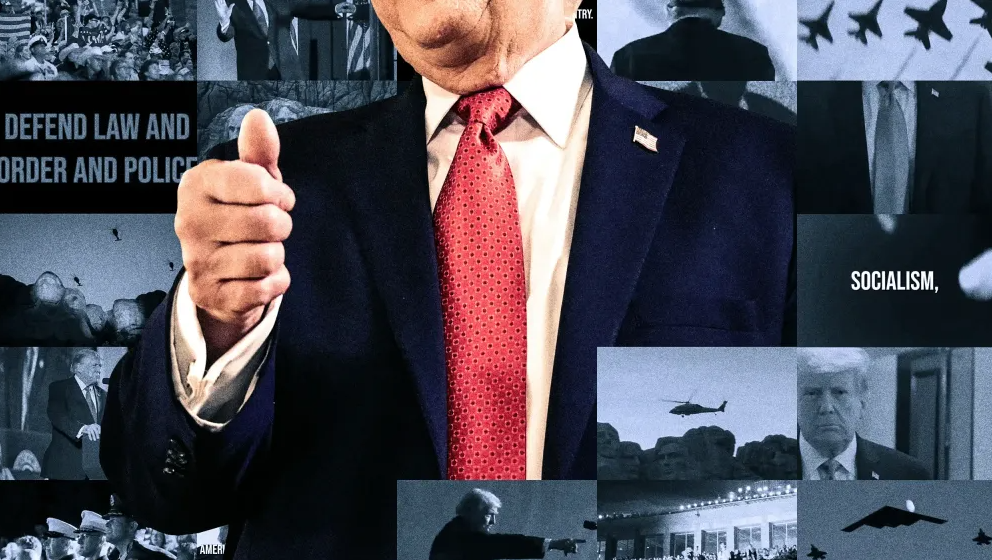
Trump’s use of taxpayer-funded ads is now at the center of a lawsuit filed by the Democratic National Committee. The complaint asks whether public money was used for communications that boosted the president politically. The administration denies that characterization.
The Democratic National Committee has sued over Trump administration advertisements that it says used taxpayer money for political messaging. The White House disputes that framing, calling the spots public-service announcements rather than campaign ads.
The dispute is still in court, so neither the complaint nor the administration’s defense should be treated as a final ruling. The central question is whether the advertisements served a legitimate public-information purpose or crossed a line into promoting a political figure.
What the Trump ad lawsuit alleges
The DNC argues that federal resources were used to promote Trump and benefit his political standing. Its complaint points to the tone and presentation of the ads, and asks the court to review whether the spending complied with government rules.
The White House says the ads were informational and did not ask viewers to vote for anyone. Trump has also said that his political organization, MAGA Inc., would pay for future spots. That statement does not by itself settle whether earlier spending was lawful or whether the advertisements met the standards for public-service messaging.
Why the Trump ads lawsuit matters
Government agencies routinely communicate with the public about programs, services and emergencies. The concern raised by the lawsuit is whether those communications remain factual and nonpartisan, or whether public money is used to create favorable political impressions.
Courts and oversight officials can examine the wording, placement, funding source and intended audience. A political complaint is an allegation, not proof. Likewise, describing an ad as a public-service announcement does not answer every question about how it was produced or paid for.
What voters should look for
The record may clarify who approved the ads, how much they cost and what guidance officials followed. The reported ad spending and the administration’s plan for future financing are separate issues: changing who pays next time would not automatically resolve questions about earlier activity.
The case also feeds into a broader debate about how presidents use the visibility and resources of government. Democrats may see it as a transparency issue, while Republicans may argue that the lawsuit is an effort to turn ordinary public communication into a partisan dispute.
How the case could be evaluated
Courts commonly examine the purpose, wording and context of government communications. They may also consider whether similar announcements have been treated differently in the past. The parties’ filings can help clarify those questions, but a headline about a lawsuit does not tell readers what a judge will decide.
The public can follow the case by looking for the complaint, the administration’s response and any court orders. Those documents are more useful than campaign summaries because they show what each side is actually asking the court to do.
No final answer yet
Until the court evaluates the evidence, the safest conclusion is that the parties disagree about the purpose and funding of the ads. The outcome will depend on documents and legal standards, not just the political claims made around the case.
For another spending controversy, read our coverage of Trump’s Treasury crackdown message. For midterm campaign framing, see this report on disaster-aid rhetoric.
For readers, the most useful details will be the ad’s exact language, who paid for it and what audience saw it. If the court releases new filings, those could show how officials described the purpose internally. Until then, it is fair to report the competing claims, but not to present either side’s argument as a judicial finding.
People following the lawsuit should keep track of whether the court addresses only future advertising or also examines past spending. Those are separate questions. A ruling could clarify standards for government communications without deciding every political argument being made about the ads.